NutriBali NutriBali
A shallow bowl of cut greens, a stone mortar and two ceramic cups on a matte consultation table in daylight

Consultation topics

Everyday nutrition questions you can bring

You do not need a dramatic goal to book a consultation. Most people come with an ordinary question about meals, timing, or food choices, and that is exactly what this service is for. The topics below are the ones consultants on NutriBali handle most often, so you can see whether yours fits.

Fits

One topic, one session

Starts with

A plain description

Led by

A registered nutritionist

How to read this page

Where a consultation usually begins

A consultation is not a full lifestyle overhaul. It is a working session on one question, and the consultant starts by asking what a normal week actually looks like for you: what you cook, where you eat, who eats with you, and what time you usually get to the kitchen. The meal plan comes after that picture is clear.

If your question sits in a category you do not see named below, that is still worth raising at registration. The sections here describe the subject areas, not a list of approved reasons to book.

The short version

  • Bring the question as you would say it out loud.
  • Nutrition guidance sits alongside your doctor's care, never in place of it.
  • Nothing is sold in a session. No supplements, no products.
  • If the topic belongs elsewhere, you hear that before you book.

Most requested

Meal planning for a real week

A plan is only useful if it survives Tuesday. This is where most first sessions land, and it is usually the reason people book at all.

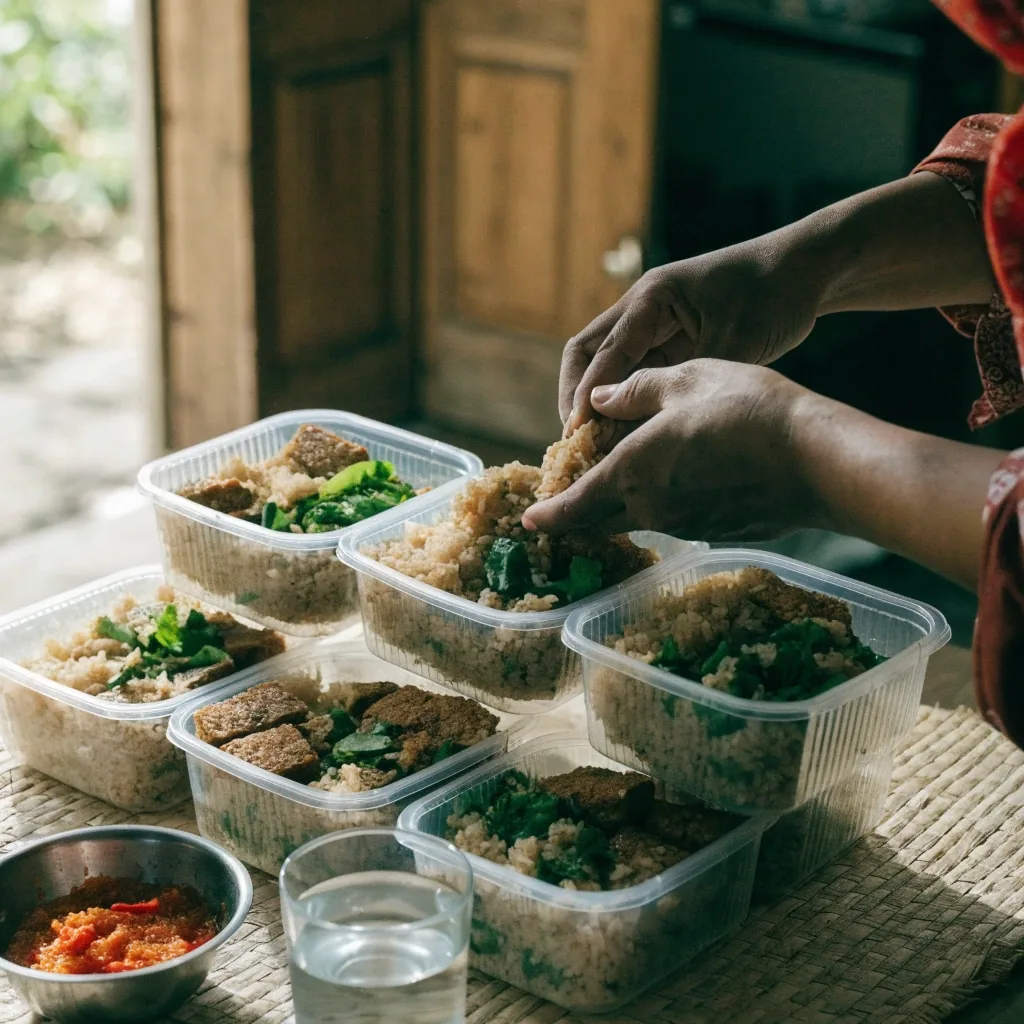
A person portioning cooked rice and vegetables into stacked lunch containers on a home kitchen counter

What it covers

Meal planning covers what to cook, how to portion it, and what to do on the days when nothing goes to plan. A consultant looks at your cooking time, your budget, and who else eats with you, then builds a plan you can actually follow. Bring a typical week rather than an ideal one; the version with the late shift and the leftover rice is the version worth planning for.

Days

7

Cook slots

2–3

Eating out

2

Where it goes

From rough week to written meal plan

You describe the week; the consultant shapes it into a repeating structure with room to swap dishes. If you want to prepare beforehand, our meal planning guide walks through the same questions a consultant will ask.

Browse the meal planning guide
Hands passing shallow plates of rice, greens and grilled fish across a shared family table

Family meals and different needs

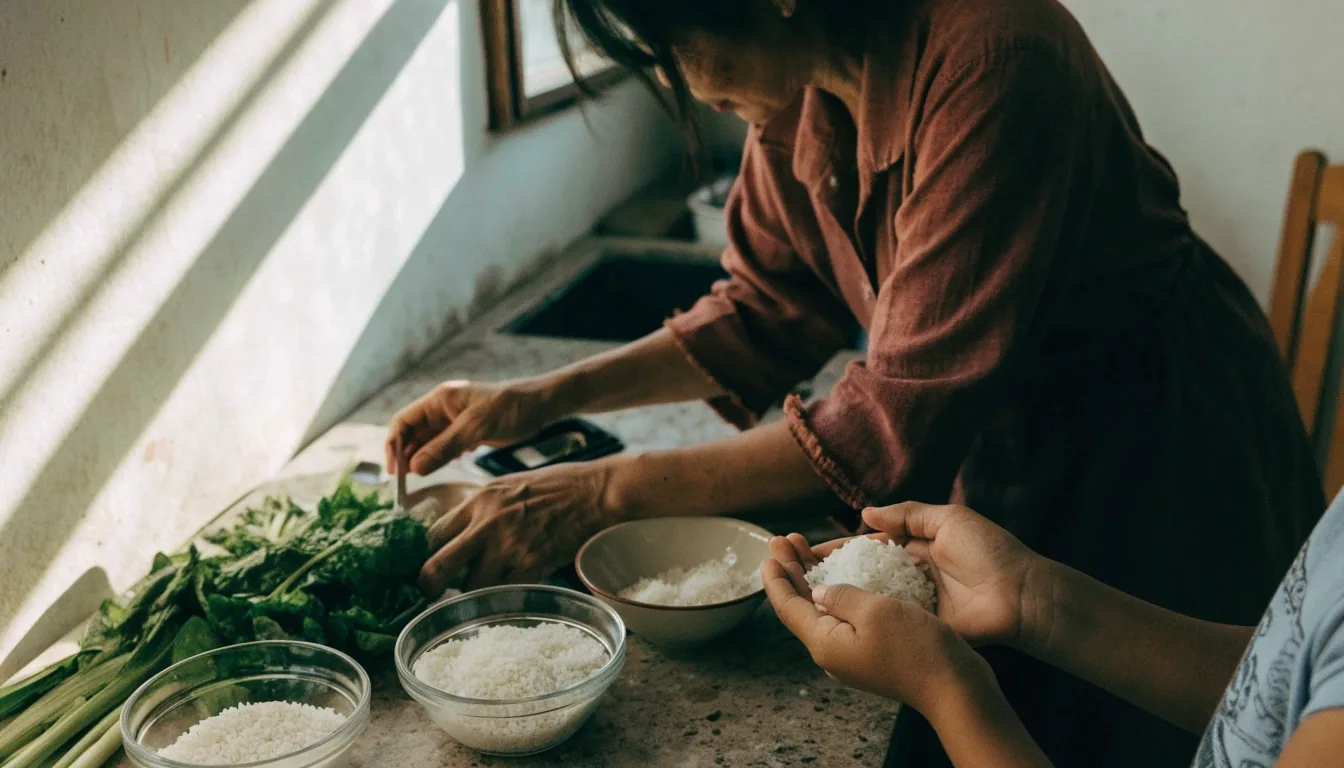
One household, several appetites. A parent might be cooking for a young child, a teenager, and an older relative, often from the same pot. Consultants work with that constraint rather than asking you to cook four separate meals; the usual answer is a shared base with adjustments at the plate.

Shallow woven crates of leafy greens, tomatoes, long beans and fresh fish on a market counter

Across the whole table

Life stages, food interactions, and conditions within scope

Three subjects come up often enough that they are worth naming separately, because each one changes who you are matched with and where the boundary sits.

Life stages, children through older adults. Nutrition needs shift across life stages and consultations are organized around that. Parents ask about feeding young children, adults about sustaining energy through a working week, older clients about appetite and meal size.

Parents of infants and young children; working adults; older adults managing appetite

The consultant you are matched with depends on who the plan is for

Food and nutrient interactions. Questions about how foods and drinks interact, including alongside a prescribed medication, are common. A consultant explains general nutrition principles and points out where a question needs your prescribing doctor's input.

Anyone eating around a prescribed medication or a changed routine

Expect a clear answer and a clear line. We would rather tell you a question belongs with your doctor than guess

Nutrition across conditions, within scope. Some clients have a diagnosed condition and want nutrition guidance alongside their doctor's care. That is a legitimate reason to book, with a clear boundary: the consultant handles the nutrition side and does not adjust medication or replace medical review.

Clients under a doctor's care who want the food side handled properly

Where a question needs clinical expertise, we match you with a dietitian or a consultant holding the SpGK title

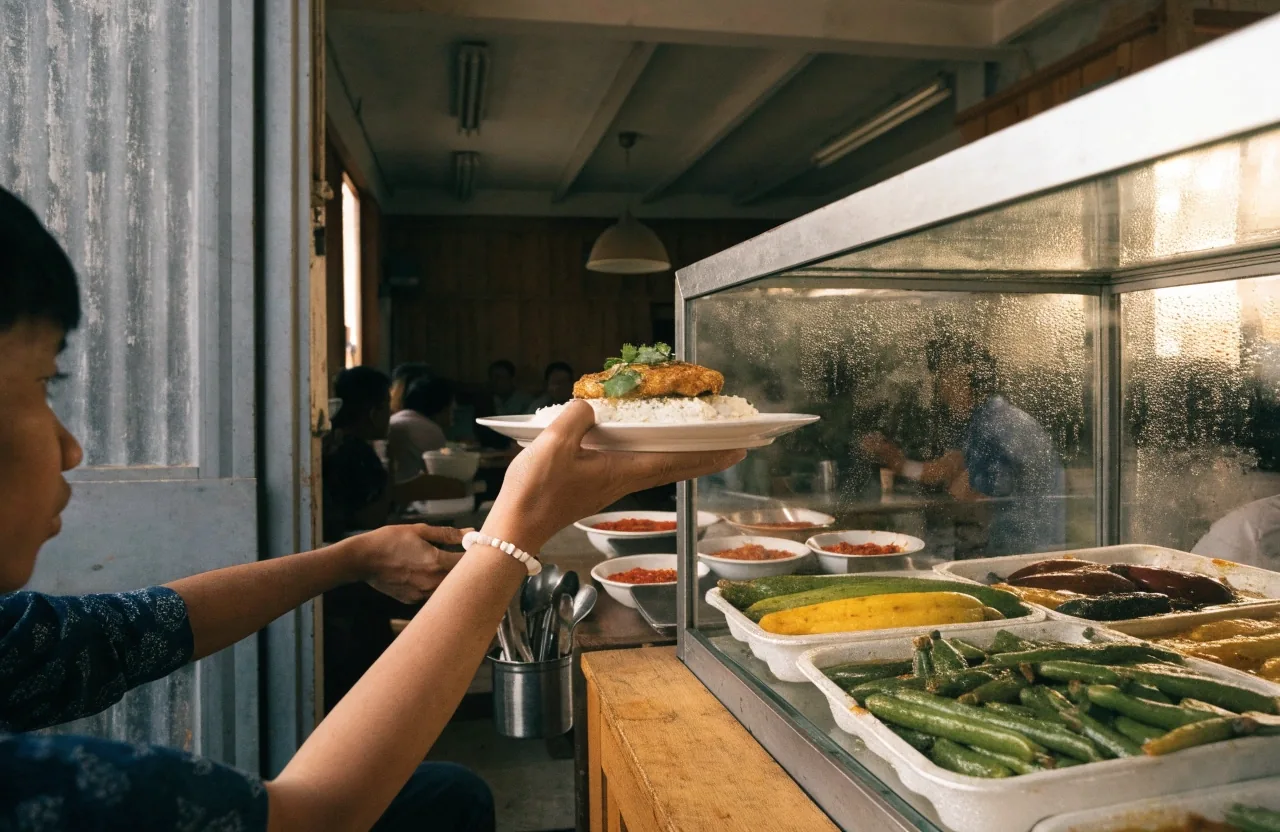
A warung counter with cooked vegetable dishes, rice and tempeh being served at lunchtime

Eating out, warungs, and office lunches

A plan that only works when you cook every meal is not much of a plan. Consultants account for the warung you visit three times a week, the office canteen, and the meals that come with family or ceremonial occasions. The advice is about choosing within those settings, not avoiding them.

Bring the places you actually eat and the plan gets more useful. Naming the stall, the canteen counter, and the dishes you order without thinking gives a consultant something to work with, which is far more productive than a list of restaurants you wish you went to instead.

Building habits that hold

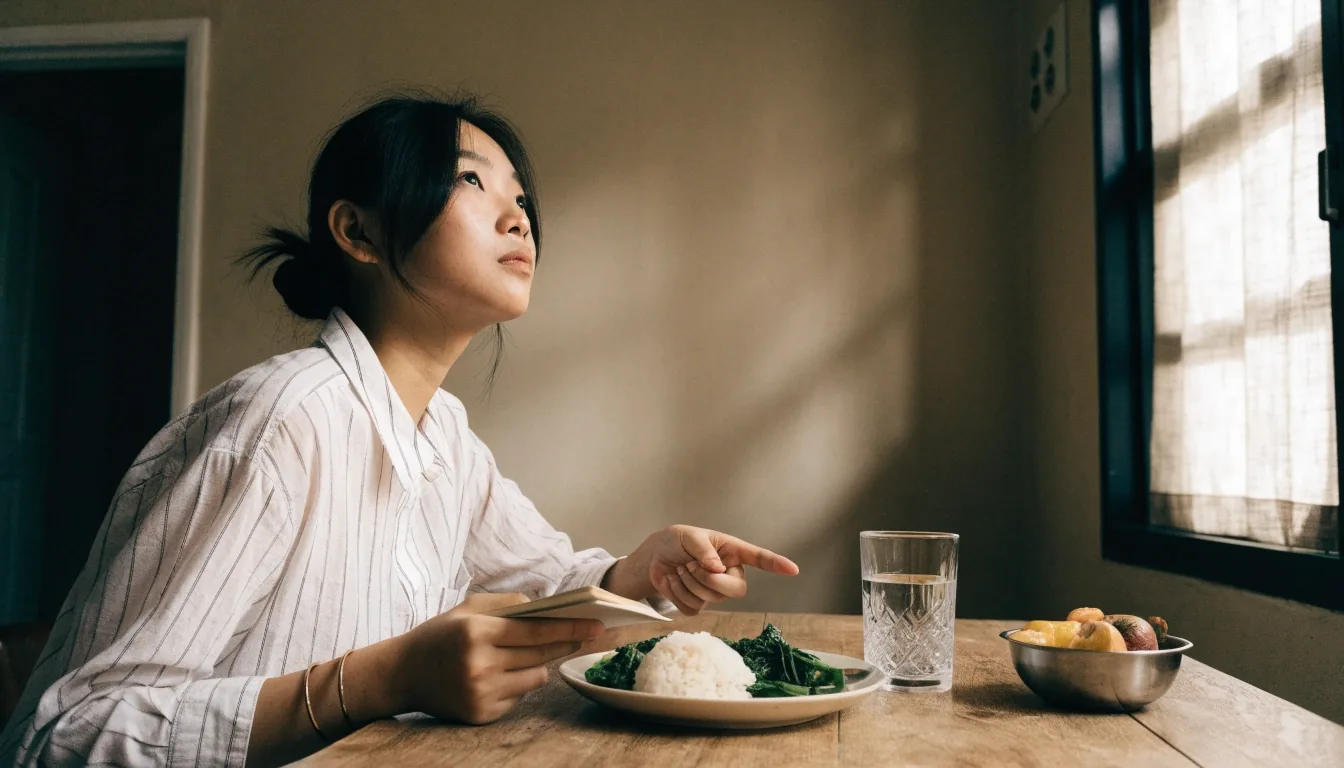
Habit questions sound vague until you make them concrete: the sweet drink at 4pm, the skipped breakfast, the late dinner after a shift. Consultants help you look at when and why these happen, then suggest one change at a time.

What to bring

Three moments from last week when eating went sideways, in your own words. That is enough for a consultant to spot the pattern with you. This is sustainable-habit work, not a reset; change that survives a busy month beats change that lasts a week.

See how consultations work

Also on the table

Sports, energy, preferences, and weight questions

These four come up regularly and none of them requires you to be an athlete or to arrive with a goal already chosen. Each one is a normal starting point for a first session.

Sports and everyday energy
Not everyone asking about nutrition is training for something. Some want to feel less flat in the afternoon, or to eat better around regular exercise like cycling, badminton, or the gym. Consultants cover general nutrition for activity without turning it into a performance program. If you have a specific competition goal, say so early so matching reflects it.
Food preferences and restrictions
Vegetarian, halal, allergy, intolerance, or simply a food you refuse to eat: all of it belongs in the pre-assessment, and a consultant builds the plan around your restrictions rather than trimming a standard template. If you already know an allergy, state it clearly. If you suspect one, that is a conversation to have with a doctor before it becomes a nutrition plan.
Weight and body-composition questions
People do ask about weight. Consultants treat it as one topic among many and discuss it in terms of meals and habits rather than promises. There are no guarantees here, because outcomes depend on far more than a plan. What a consultant can do is help you structure eating in a way you can keep up and review honestly.
Questions that need a doctor
Some questions need a doctor: diagnosis, medication changes, symptoms that worry you, and anything clinical beyond nutrition guidance. Consultants will say so directly. We also do not sell supplements or products, so you will not be steered toward a purchase. If your question is medical, your doctor is the right first call, and nutrition support can sit alongside that care.

Not sure which topic fits?

Describe it in your own words at registration. The pre-assessment has space for a plain description, and matching happens from there. You do not need the right vocabulary; saying "I eat out every day and feel sluggish by evening" is more useful to a consultant than a precise label.

Registration also collects the practical details a consultant needs before the first session: who the plan is for, what your week usually looks like, and any known restriction or medication you are eating around. If the topic turns out to belong elsewhere, we will tell you before booking rather than after.

Before your first session

  1. 1

    Write the question the way you would ask a friend, not the way a form expects it.

  2. 2

    Note who eats with you and where you eat most often during the week.

  3. 3

    List any known allergy, intolerance, or prescribed medication you are eating around.

  4. 4

    Say which language you would like the session in, if that matters to you.

Questions about a consultation before you register can go to our contact page.

Next step

Register with a short description of your question and the pre-assessment begins from there.

Mon–Fri, 9:00 AM – 6:00 PM +62 361 224 889 [email protected] Jl. Imam Bonjol No. 201, Denpasar, Bali, 80113